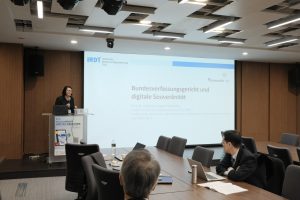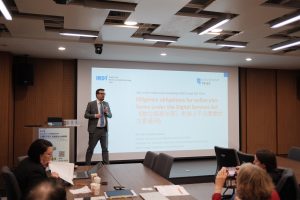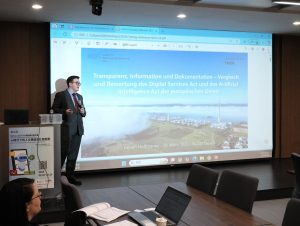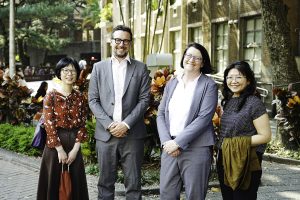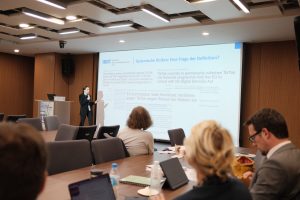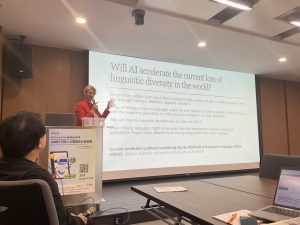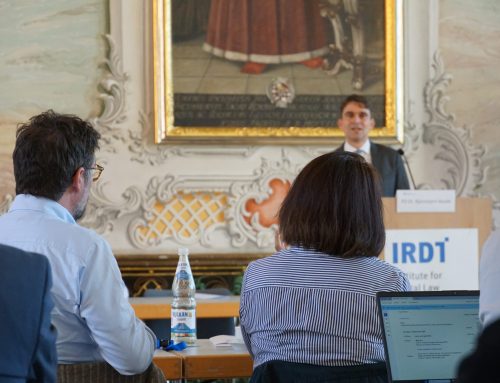
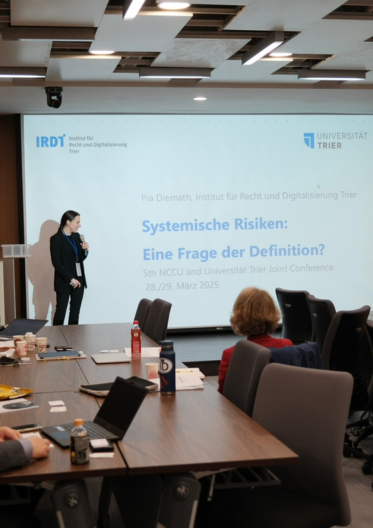
Mehrere Mitglieder von DigitS EU nahmen bei der 5th Joint Conference zwischen der National Chengchi University (NCCU) und der Universität Trier teil. Die Konferenz, die am 28. und 29. März 2025 in Taipeh stattfand, stand unter dem Thema „Human Values and Social Transformations in the Age of AI“ und brachte Wissenschaftlerinnen und Wissenschaftler aus Deutschland und Taiwan zusammen. Mit insgesamt 19 Vorträgen aus Trier, darunter sieben von DigitS EU, leisteten wir einen wichtigen Beitrag zu den Diskussionen über die Herausforderungen und Chancen der digitalen Transformation. Das Thema wurde dabei aus den verschiedensten Perspektiven behandelt – von Literatur und Geschichte bis hin zu Recht, Politik und Medien. Auch abseits der Konferenz standen Treffen mit vielen interessanten Menschen und Institutionen in Taipeh und Umgebung auf dem Programm, um den internationalen Austausch zu vertiefen. Hierzu zählten Treffen mit Wissenschaftlerinnen und Wissenschaftlern der National Taiwan University (NTU) und der Academia Sinica, ein Besuch bei der Academy of the Judiciary, sowie ein spannendes Gespräch mit Audrey Tang, Taiwans ehemaliger Digitalministerin. Außerdem durfte unsere Delegation mehr über die taiwanesische Geschichte erfahren, indem wir eine Führung durch das 228 Memorial Museum in Taipeh erhielten und nicht zuletzt den Green Island White Terror Memorial Park auf der Grünen Insel als Gedenkstätte für die Gefangenen der ehemaligen Diktatur des Landes besuchten.
Das IRDT blickt auf eine Woche voller inspirierender Begegnungen, aufschlussreicher Diskussionen und eindrucksvoller Erlebnisse zurück und freut sich, den Austausch mit Taiwan künftig weiter zu verfolgen.